Strengthening public trust in science: Insights from the Zagreb Science Communication Forum 2025
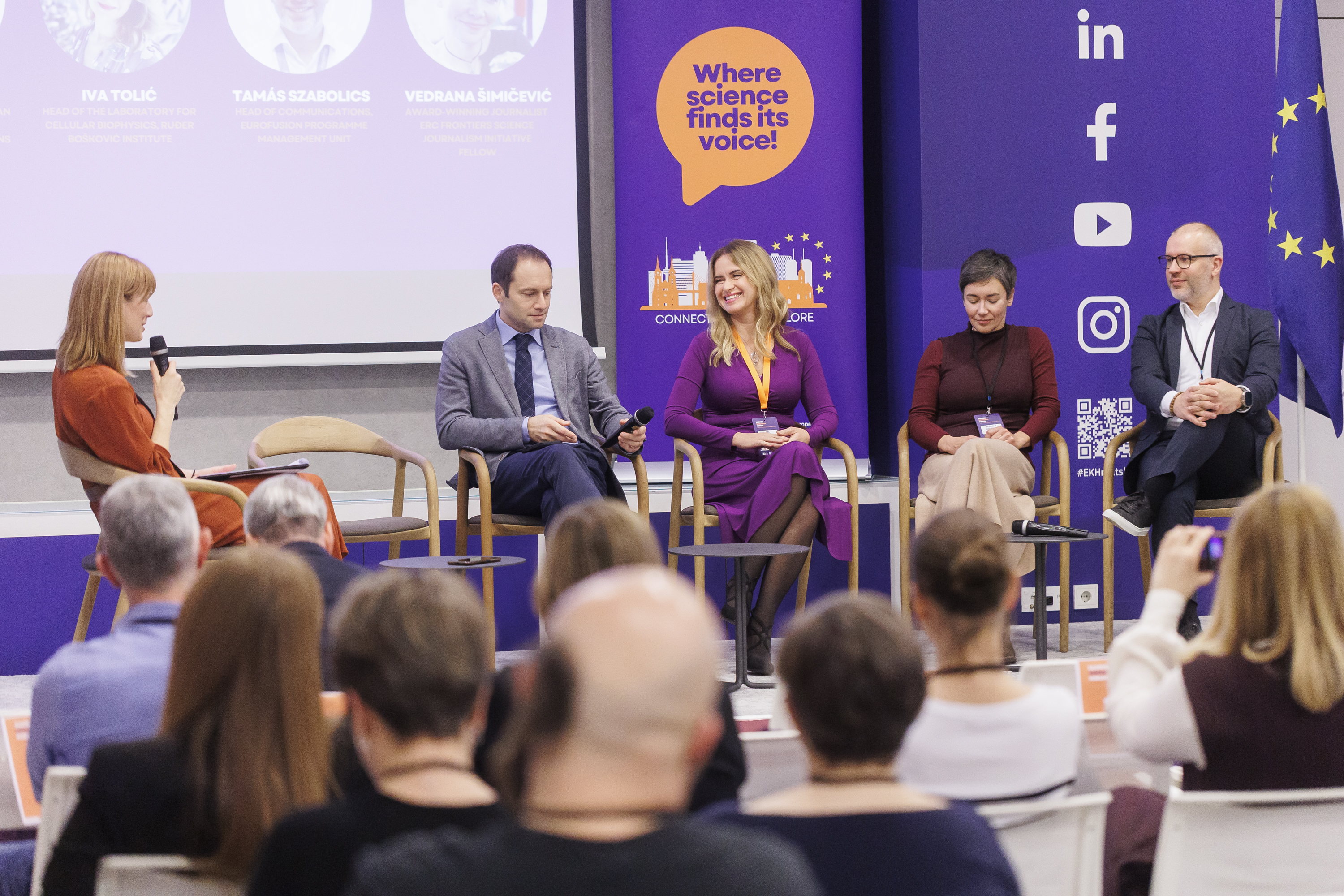
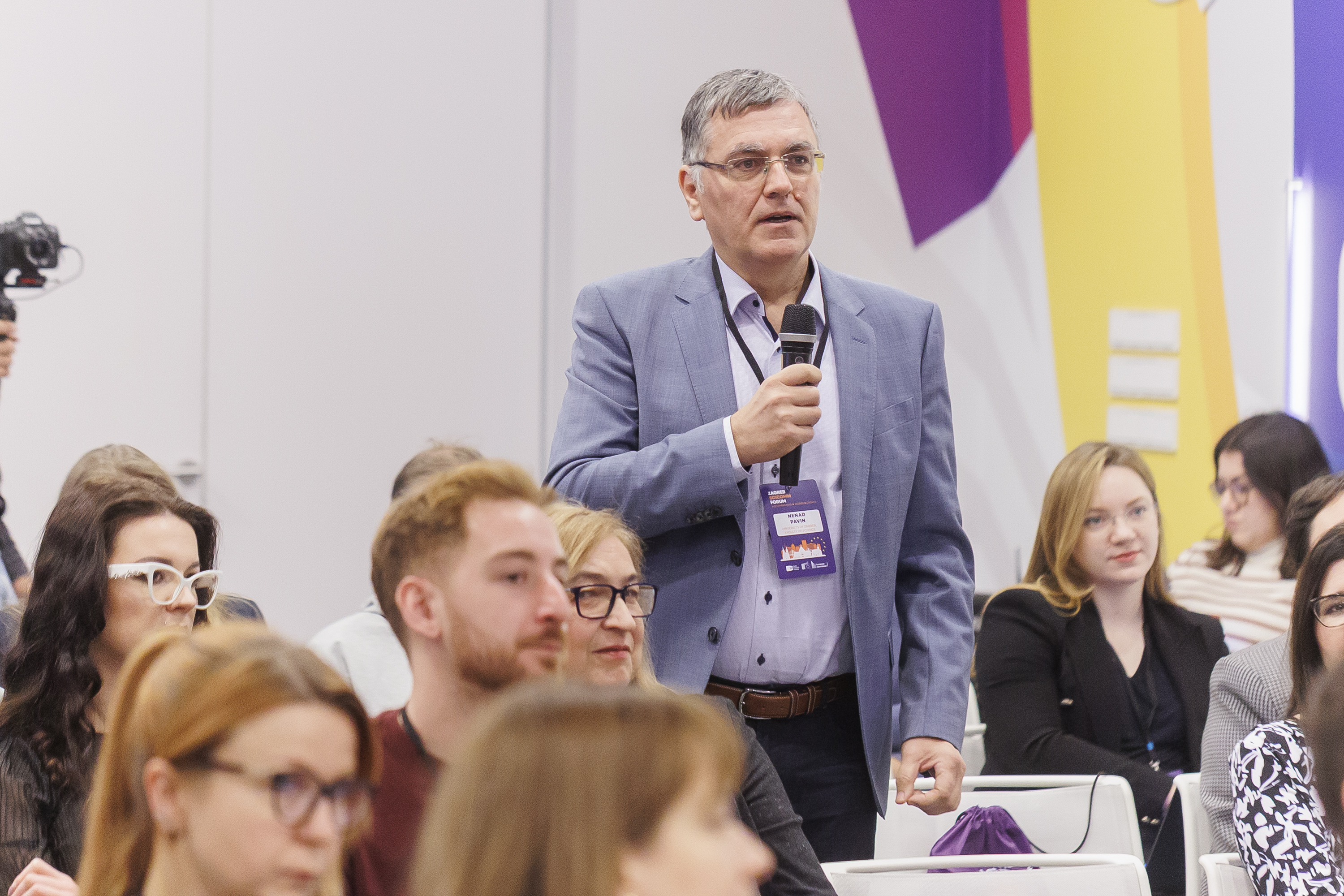
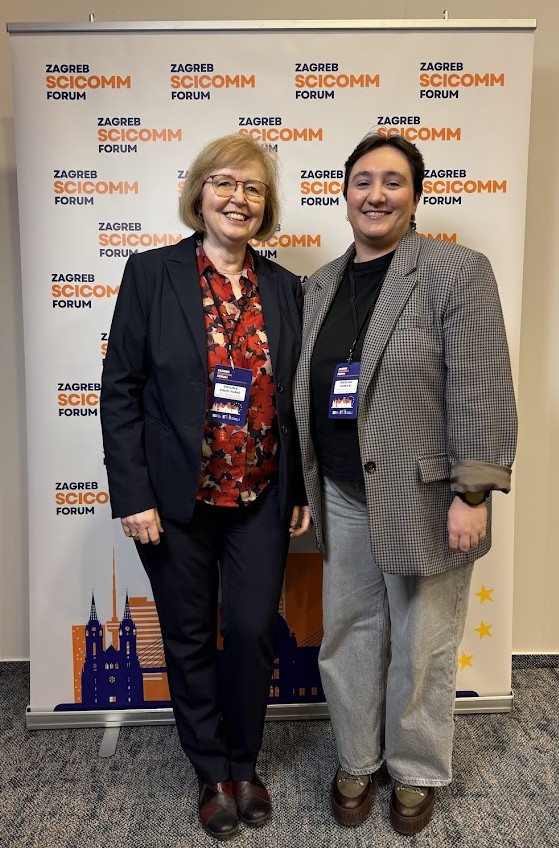
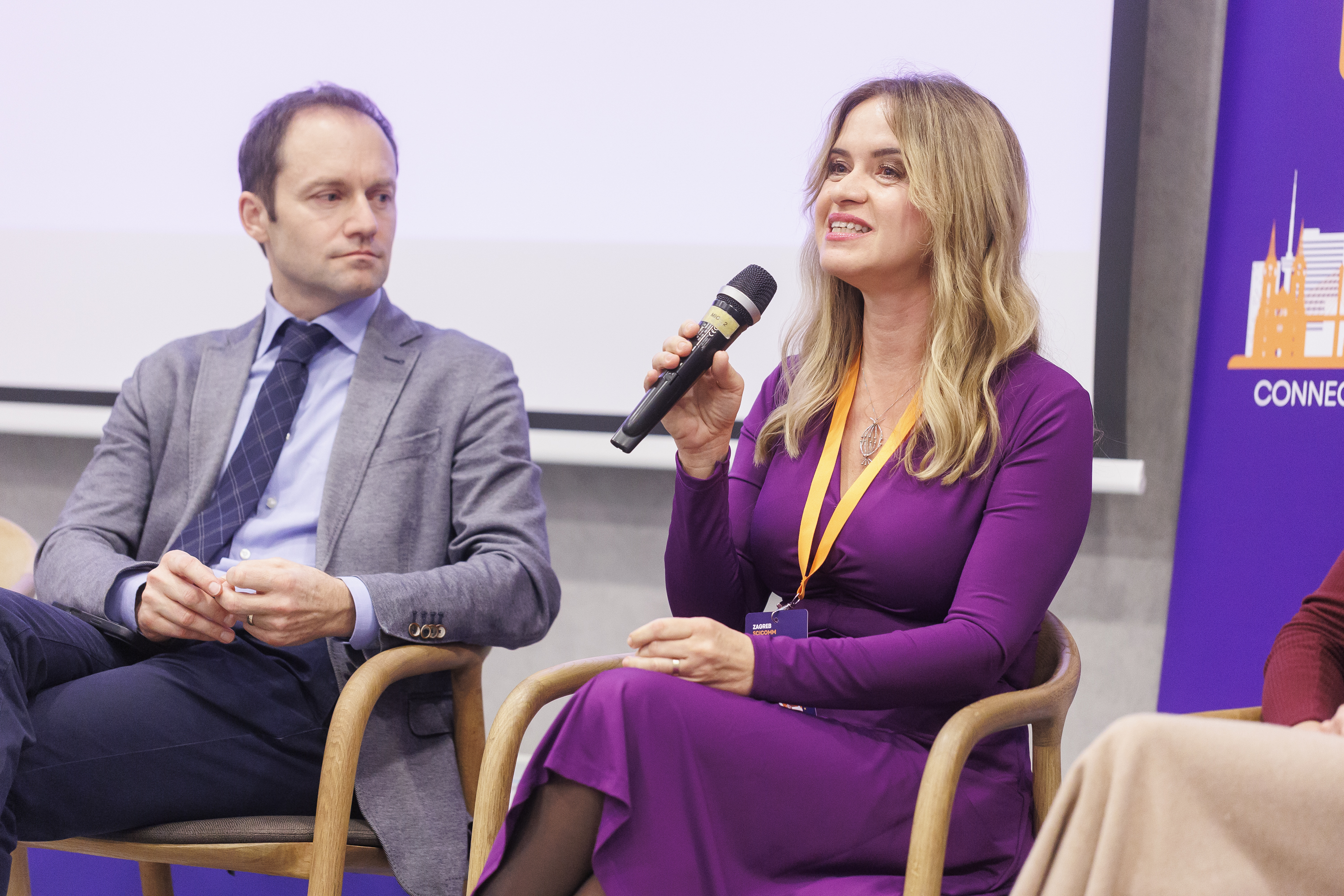
On December 4, Smiljka Vikić Topić (Senior Research and Innovation Manager) and Nikolina Lednicki (Communications Manager), attended the Zagreb Science Communication Forum 2025. The event gathered leaders from European institutions, Croatian Ministry of Science, Education and Youth, research organisations, universities and the wider science communication community. It underlined the essential role of communication in ensuring that information about the real benefits of excellent science reach the society.
The European Commission stressed that high quality research is essential for strengthening Europe’s competitiveness. Public trust in science was identified as a crucial pillar of progress in a world where misinformation spreads quickly. Europe has made a clear choice to invest in science and aims to attract top talents from all over the world, building its capacity to innovate and lead globally. Croatia is entering a historic moment to expand its research infrastructure and develop more centres of excellence. Science and scientists must be valued as strategic drivers of growth.
Speakers repeatedly emphasised that scientific knowledge should not remain confined to laboratories or research papers. It must be shared with citizens in ways that encourage understanding and informed decision making. In the keynote speech, Marcin Mońko from the European Research Council Executive Agency described the challenges of communicating science in an attention driven environment. He highlighted the importance of telling human stories behind research and of communicating patience, rigor and uncertainty without undermining confidence. Trust depends on honest dialogue, transparency and continuous engagement with the public. Science communicators serve as guardians of scientific integrity. The event also focused on the importance of basic research. Curiosity driven research fuels discoveries that can enable future technological and societal breakthroughs. Long term support, talent retention and stronger communication skills are essential to fully realise its potential.
Showcase sessions highlighted inspiring initiatives that bring science closer to citizens. These included open laboratory days, citizen science projects, Researchers Night activities and science communication training programmes. Croatian institutions such as the Ruđer Bošković Institute and the University of Split are already playing a significant role in this field. There is also a growing recognition that researchers need transversal skills that support collaboration, public engagement and career mobility within and beyond academia. These skills are increasingly important for enabling innovation, knowledge transfer and commercialisation.
At RISE, we fully recognise the role of communication in advancing innovation ecosystems. Our work supports researchers and innovators in areas such as intellectual property strategy and commercialisation planning. Strong public understanding of science contributes to trust in innovation and a better environment for research uptake and success.
The Zagreb Science Communication Forum 2025 demonstrated that accessible and transparent science communication is key to connecting European research with the needs and values of society. RISE remains committed to supporting this mission in Croatia and across Europe.