Monetising Science in Widening Countries: Europe’s Competitiveness Starts in Its Regions
.jpg)
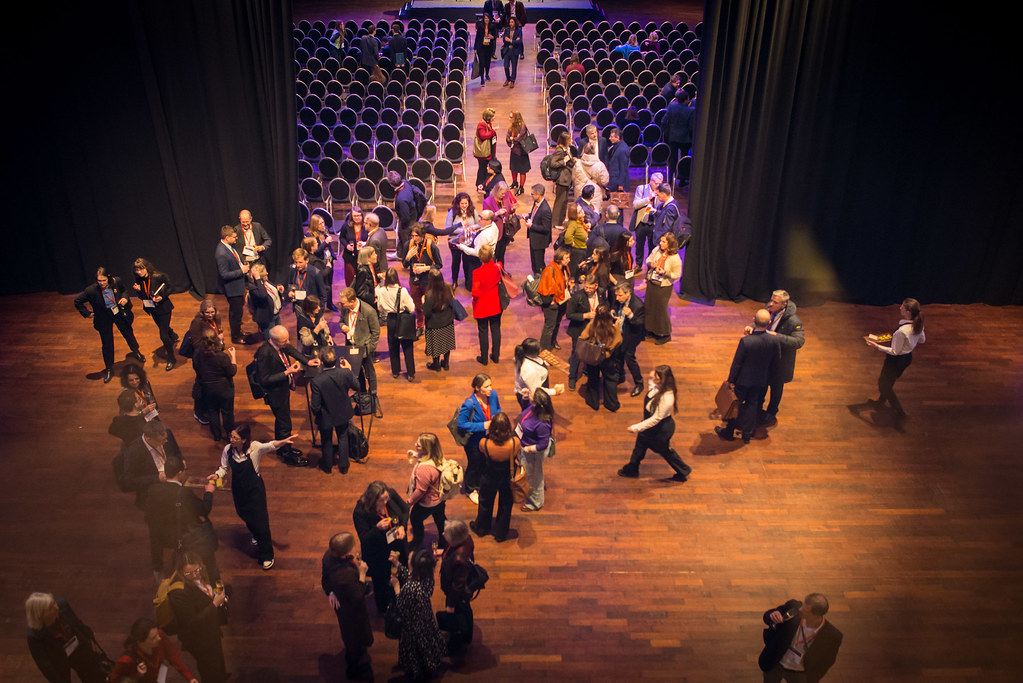
The Science|Business Annual Network Conference took place last week in Brussels, gathering representatives from EU institutions, research organisations, industry, investors and innovation support actors at a crucial moment for Europe’s research and innovation policy. As discussions on the next EU budget and FP10 take shape, the focus is not only on how much Europe invests, but on how effectively its innovation ecosystems function, a question particularly relevant for Widening countries.
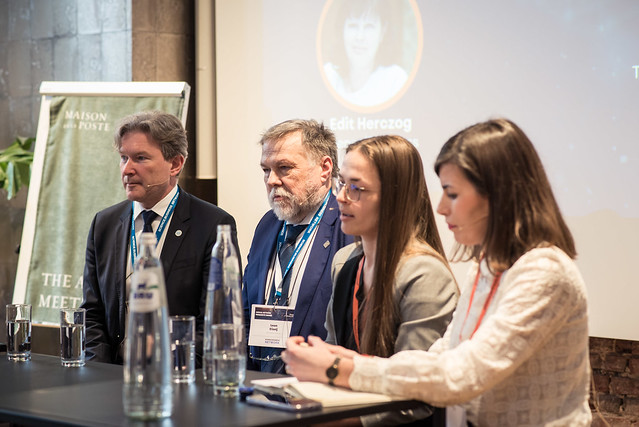
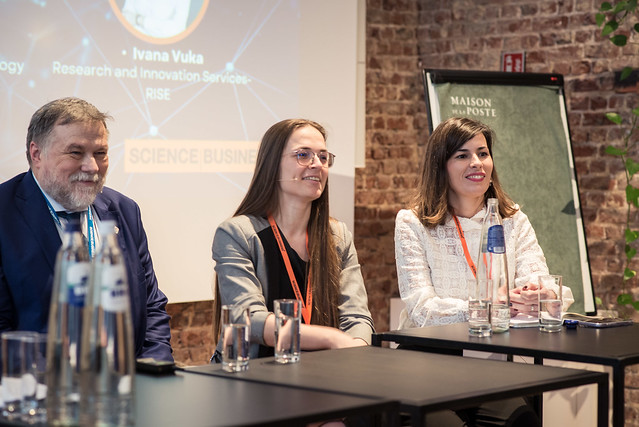
One parallel session addressed how strong research results can better translate into economic and societal value. RISE contributed to this discussion, with our colleague Ivana Vuka participating in the panel on monetising science in Widening countries. Speakers agreed that research excellence in these regions has strengthened over the past decade, with growing participation in EU programmes and improved infrastructures. The real challenge, however, lies in turning results into uptake.
More structured technology transfer support is needed. In many Widening institutions, dedicated TTOs remain limited, and intellectual asset management is often embedded within broader administrative, project support or innovation support units, including incubators and similar structures. These actors function as intermediaries, yet they are not always clearly recognised or sufficiently connected. Strengthening and linking them while clarifying roles and gaps is essential to reduce fragmentation and improve pathways from research to market.
From our experience, ecosystem-level cooperation makes a tangible difference. Through activities such as the European IP Helpdesk and EU-13 Roadshows, we bring together researchers, SMEs and support organisations, raise awareness of intellectual asset management and showcase successful local innovation cases. Concrete examples from Widening ecosystems show that effective valorisation is already happening, but scaling it requires stronger collaboration and clearer support structures.
At the same time, networking must go hand in hand with capacity building. Intermediaries need to continuously improve their services and align with evolving policy frameworks, while researchers and SMEs require clearer intellectual asset strategies and stronger market orientation. Consolidation, not only expansion, is therefore the next logical step.
After more than a decade of progress in strengthening research capacity in Widening countries, the focus must now shift to consolidation: reinforcing technology transfer, professionalising support services and connecting intermediaries into more coherent ecosystems. RISE will continue contributing to these developments including through its role in upcoming European initiatives aimed at strengthening knowledge valorisation communities and capacities and ensuring that the perspectives and experience of Widening ecosystems remain visible in the European conversation.