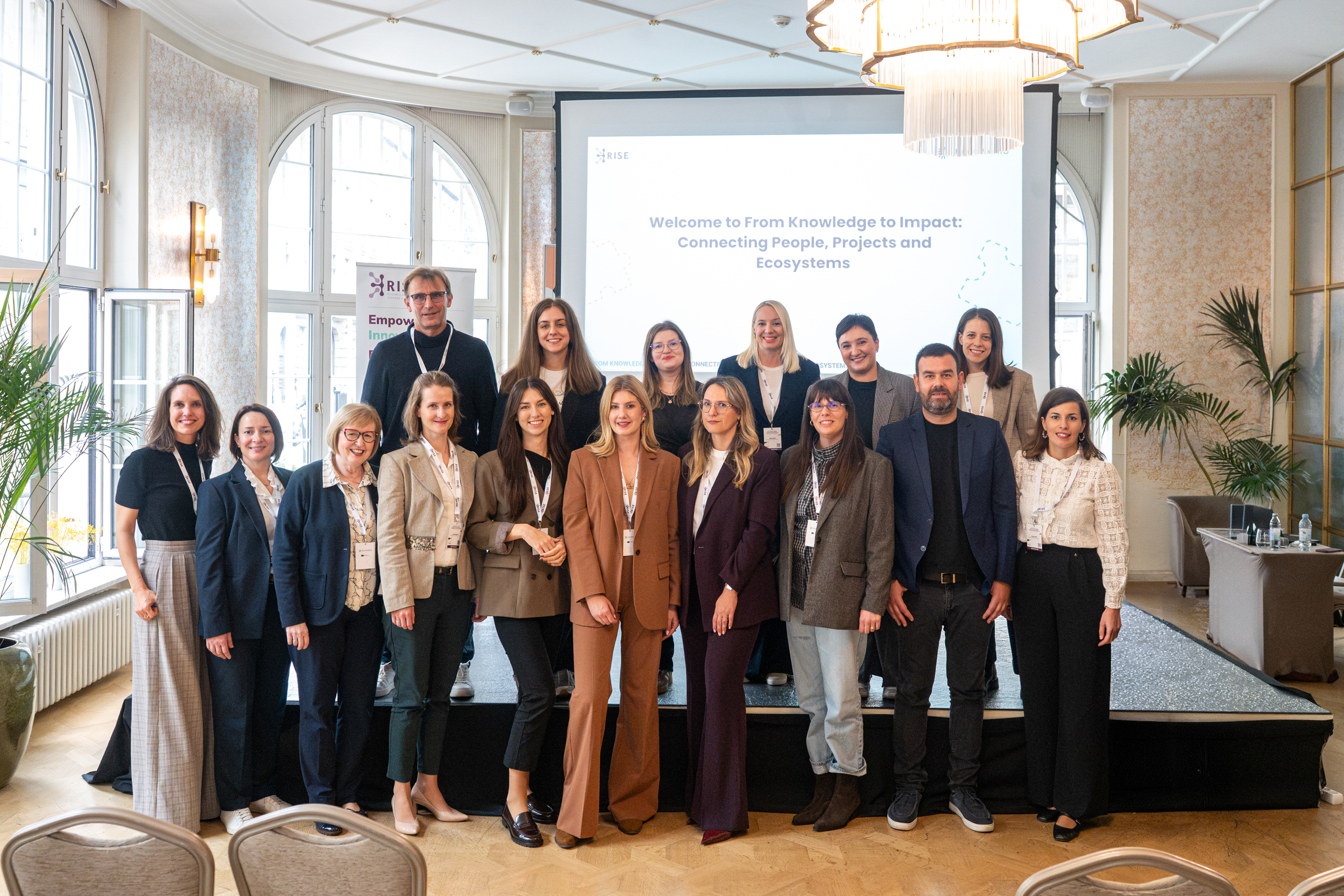
From Knowledge to Impact: Connecting People, Projects and Ecosystems in Zagreb
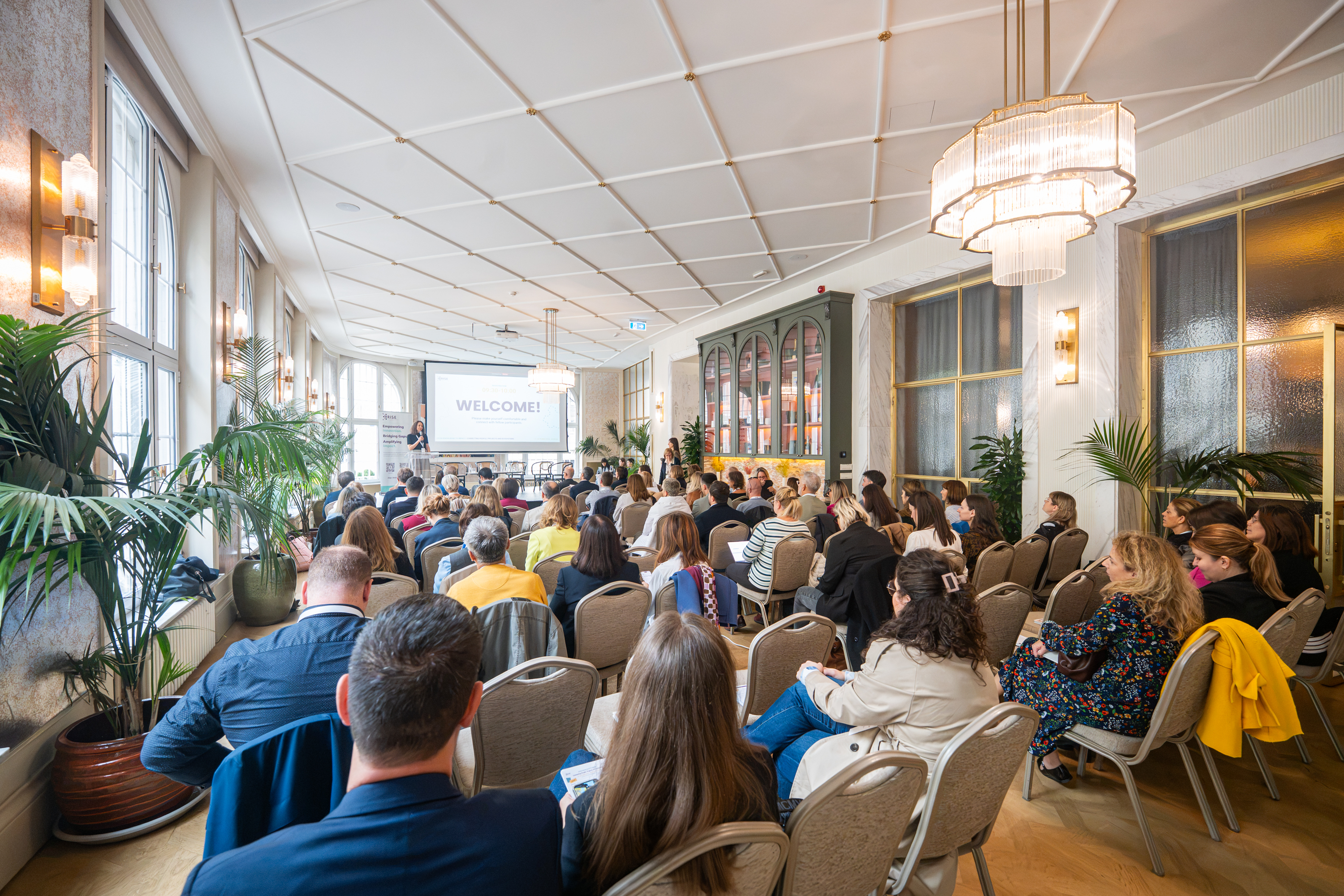
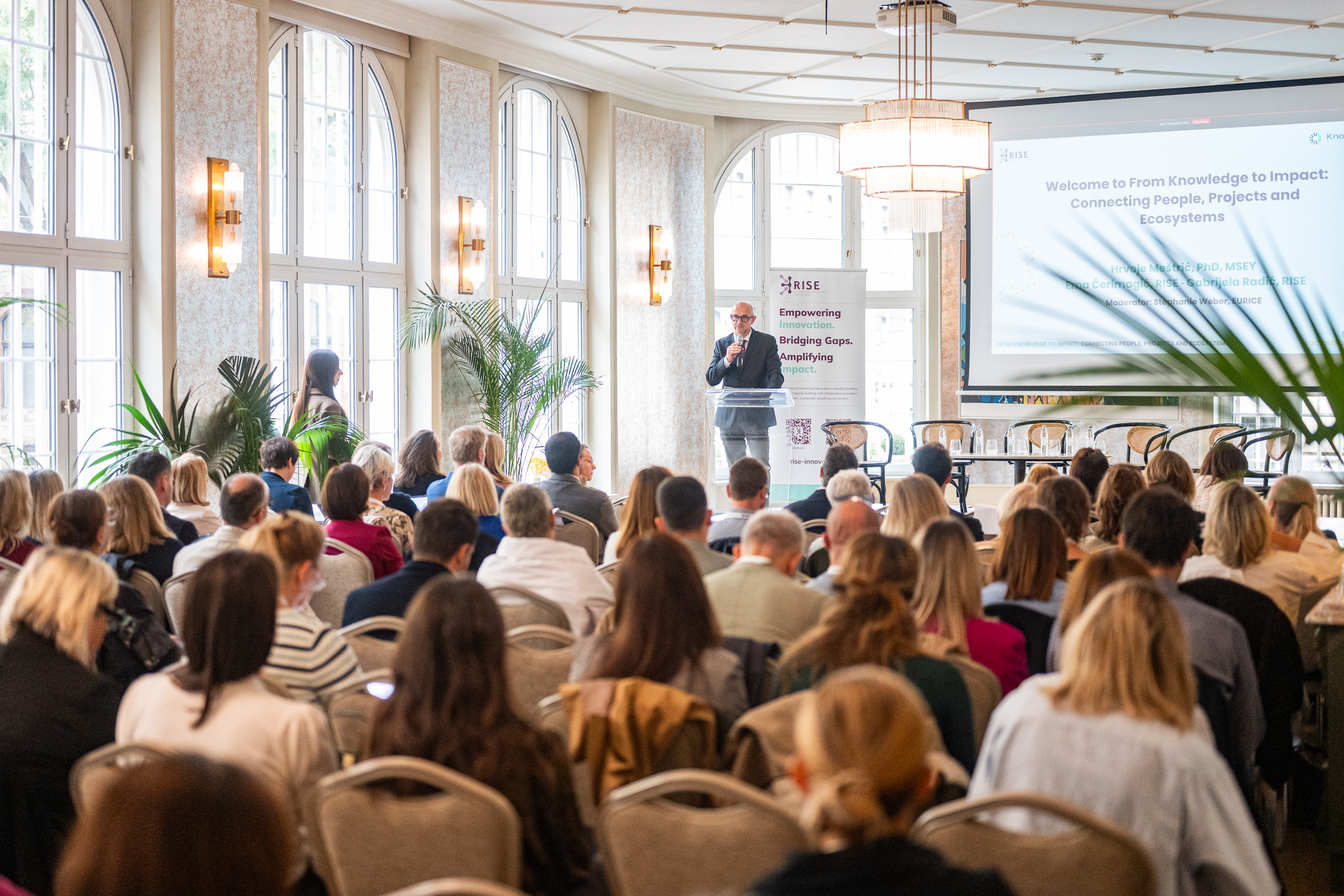
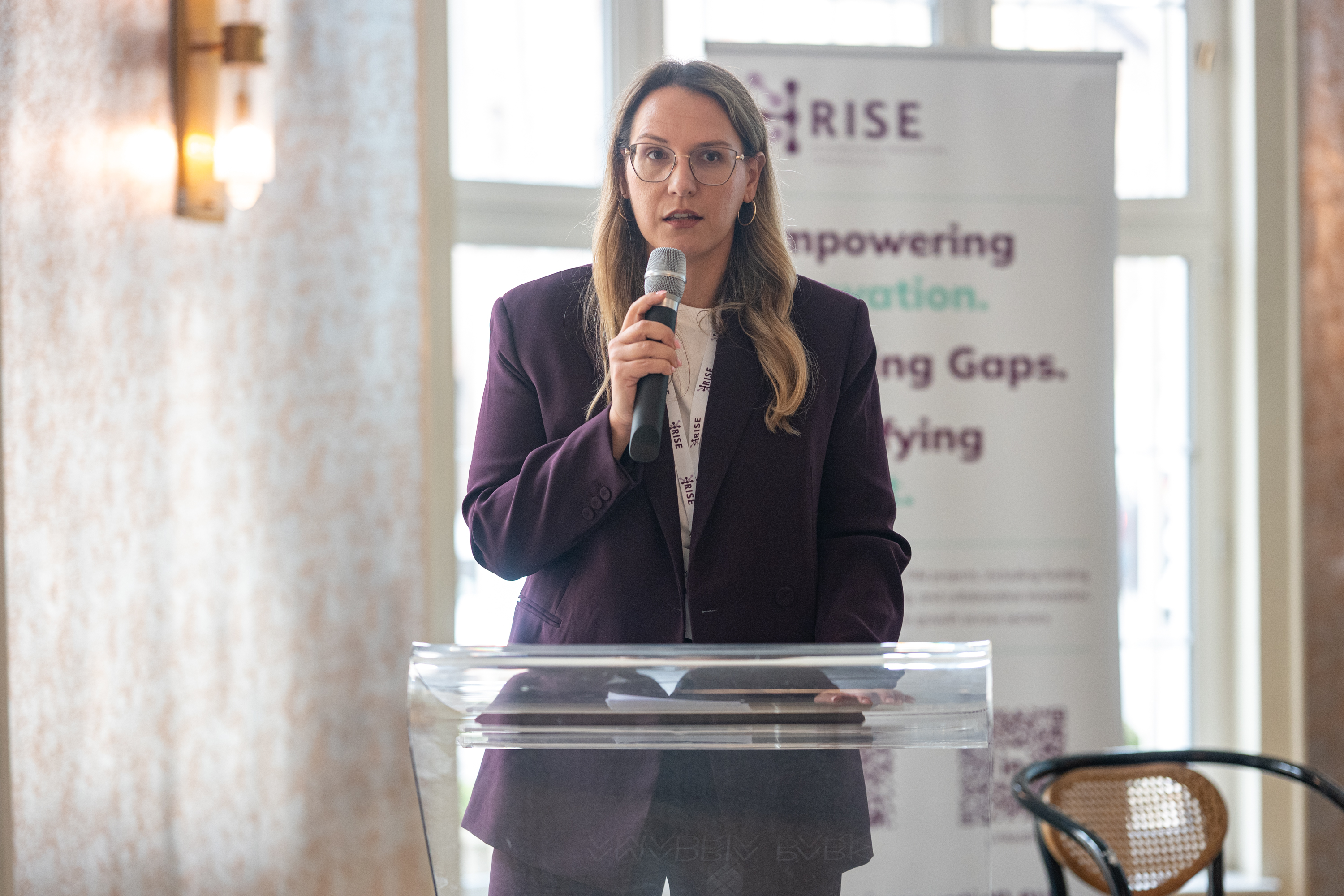
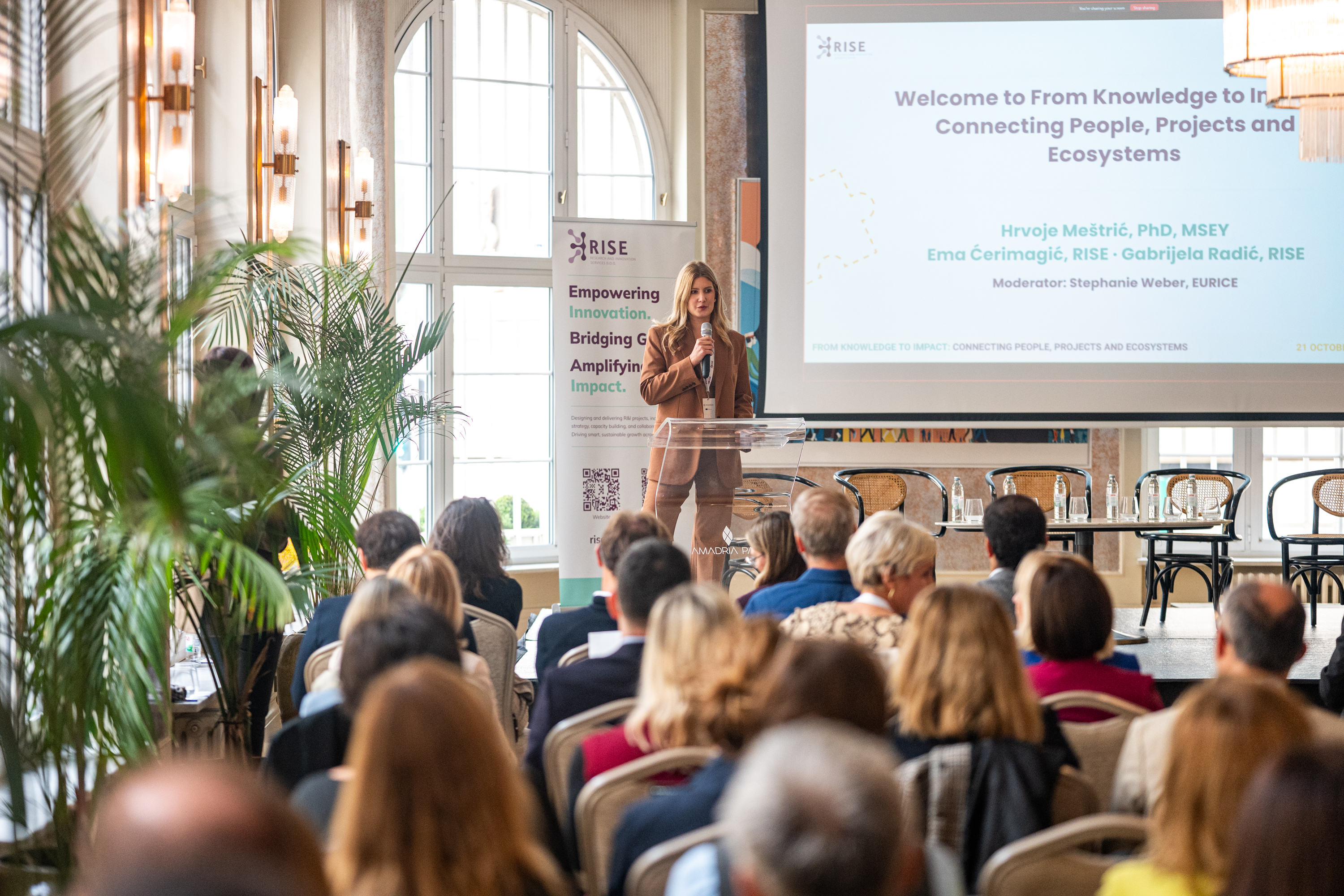
How can research results create value beyond the laboratory? This question brought researchers, policymakers, knowledge-transfer professionals and innovation stakeholders from across Europe to Zagreb on 21 October for “From Knowledge to Impact: Connecting People, Projects and Ecosystems”, an event organised to explore practical ways of connecting research with society and the economy. The programme combined a keynote from Carlos Morais Pires of the European Commission’s Directorate-General for Research and Innovation with discussions on different pathways to valorisation, the role of ecosystem support and the power of collaboration.
Building the bridge between research and value
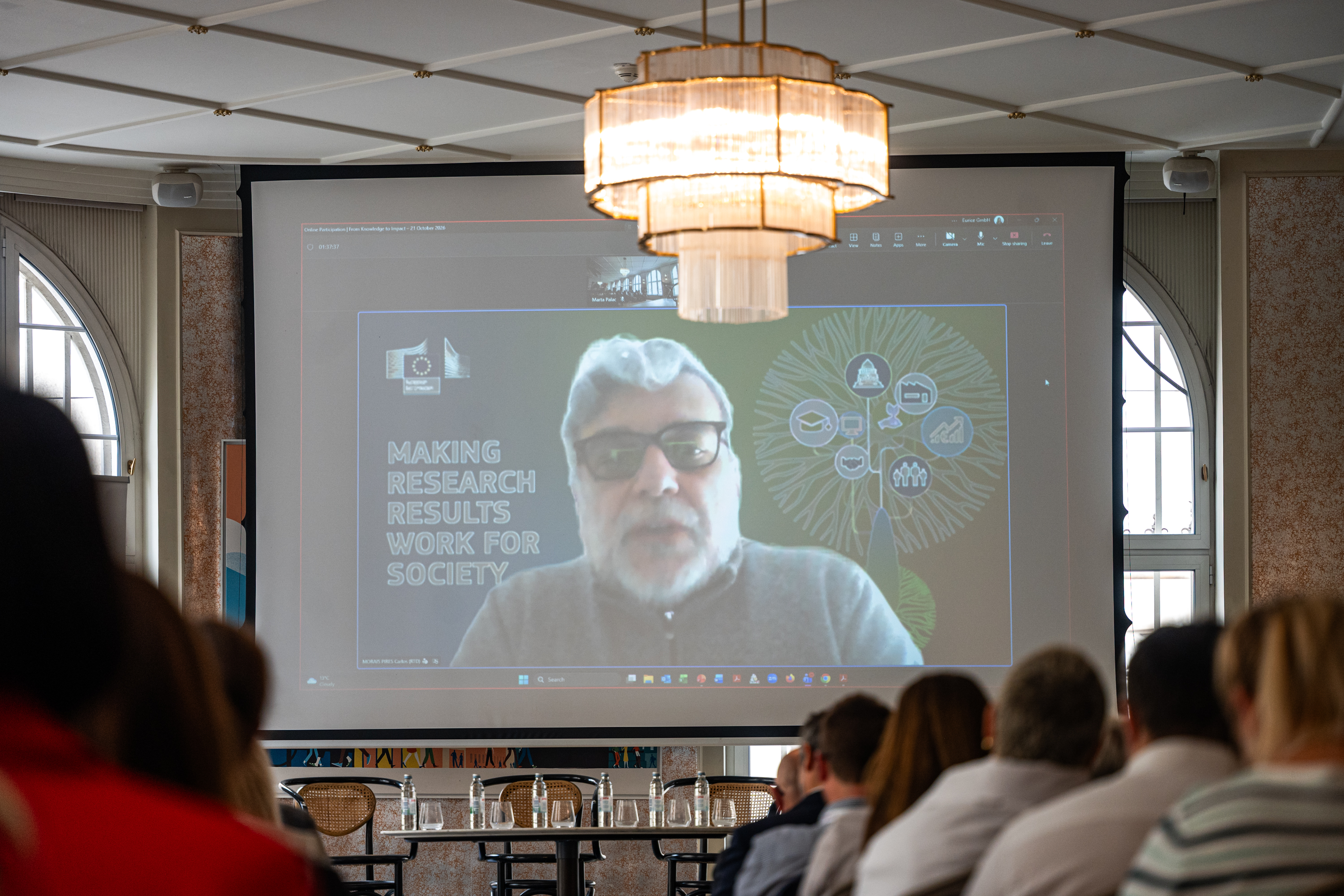
In his keynote, Carlos Morais Pires described knowledge valorisation as an effort to build a bridge between research and the value that research can generate. “It’s not only economic value, but also social value,” he emphasised. Moving research towards application requires capabilities that help scientific results become useful products, services and solutions. Standardisation and an understanding of different stages of innovation can also make it easier for results to be adopted and used. Hrvoje Meštrić, Director of the Directorate for Science and Technology at the Ministry of Science, Education and Youth, highlighted the importance of a supportive policy environment. “We have to set a policy framework. We build structures that help knowledge reach the market and the society,” he said, pointing to the need for investment, research infrastructure and mechanisms that help promising research progress.
RISE’s Gabrijela Radić underlined that knowledge valorisation cannot depend on individual effort alone: “individual excellence needs institutional capacity.” For good practices to become more widespread, organisations need clear responsibilities, resources, incentives and time to support this work. Connections and lessons learned should also be carried beyond the lifetime of individual projects. While excellent researchers and promising initiatives already exist across Europe, their potential can be limited when institutions lack the resources, incentives and support needed to make knowledge valorisation part of everyday practice. She also pointed to a recurring challenge: knowledge and experience can remain within individual projects, and people working on similar challenges may not even know about each other’s work.
Many pathways, one shared goal
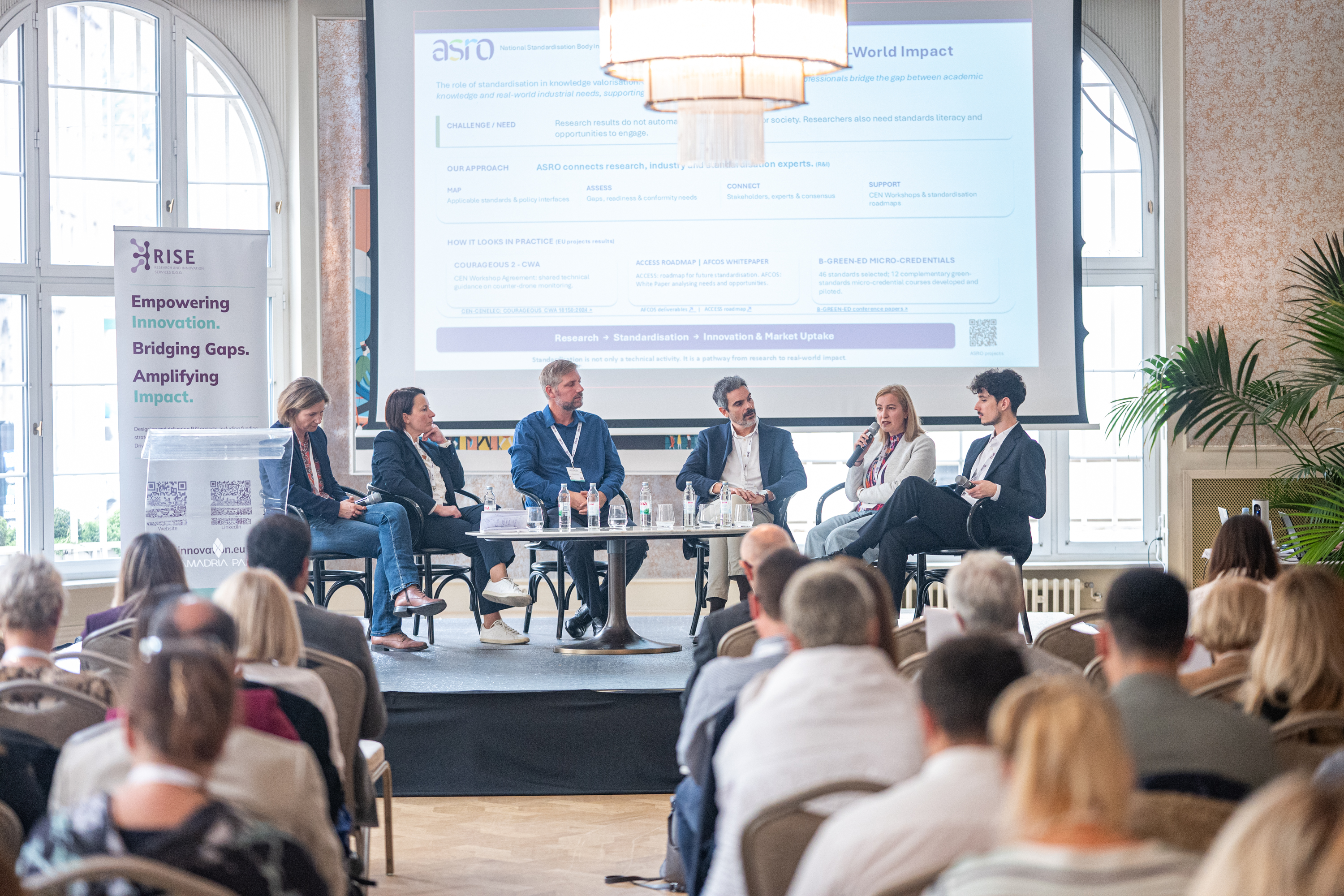
The panel “From Knowledge to Impact: Different Pathways to Valorisation”, moderated by Jose Villagran of UIIN, showed that research can create value through different routes. Open innovation, impact licensing, citizen engagement and standardisation each offer ways to connect research with wider needs. Intermediaries such as technology-transfer offices, co-creation specialists and cluster managers can help research teams navigate these processes. Stine Skyum Kristensen from Aarhus University’s Centre for Open Innovation in Science discussed the value of involving industry early and creating conditions for open collaboration. She described a model in which “all results from the projects will be shared openly” and partners work without intellectual property restrictions, allowing them to explore ideas and test opportunities before moving towards formal commercial development. Bruna Paušić from RISE presented impact licensing as a way of finding new applications for existing technologies, including in response to societal and environmental challenges. This approach requires technology owners to remain open to alternative uses and to work with the relevant knowledge-transfer professionals. François Jost from European Citizen Science Association (ECSA) spoke about the potential of citizen engagement to add value to research, while also highlighting the conditions needed for meaningful participation and effective results. Michaela Stancu from Romanian Standards Association (ASRO) addressed standardisation, including when research teams should start considering it, why it may be relevant and how they can begin. Juan Pérez Rodríguez called for a broader understanding of research impact, noting that indicators such as patents and publications do not always reflect the value created in practice. His contribution raised the question of how impact can be assessed in ways that capture its wider effects. Juan Pérez Rodríguez from Technology Center of UPC (CIT-UPC) also highlighted the need to rethink how research impact is measured, noting that current indicators often focus on outputs such as patents and scientific publications, even though these do not necessarily translate into real-world impact. This raises the question of how to develop more meaningful indicators that capture the actual value and effects of research.
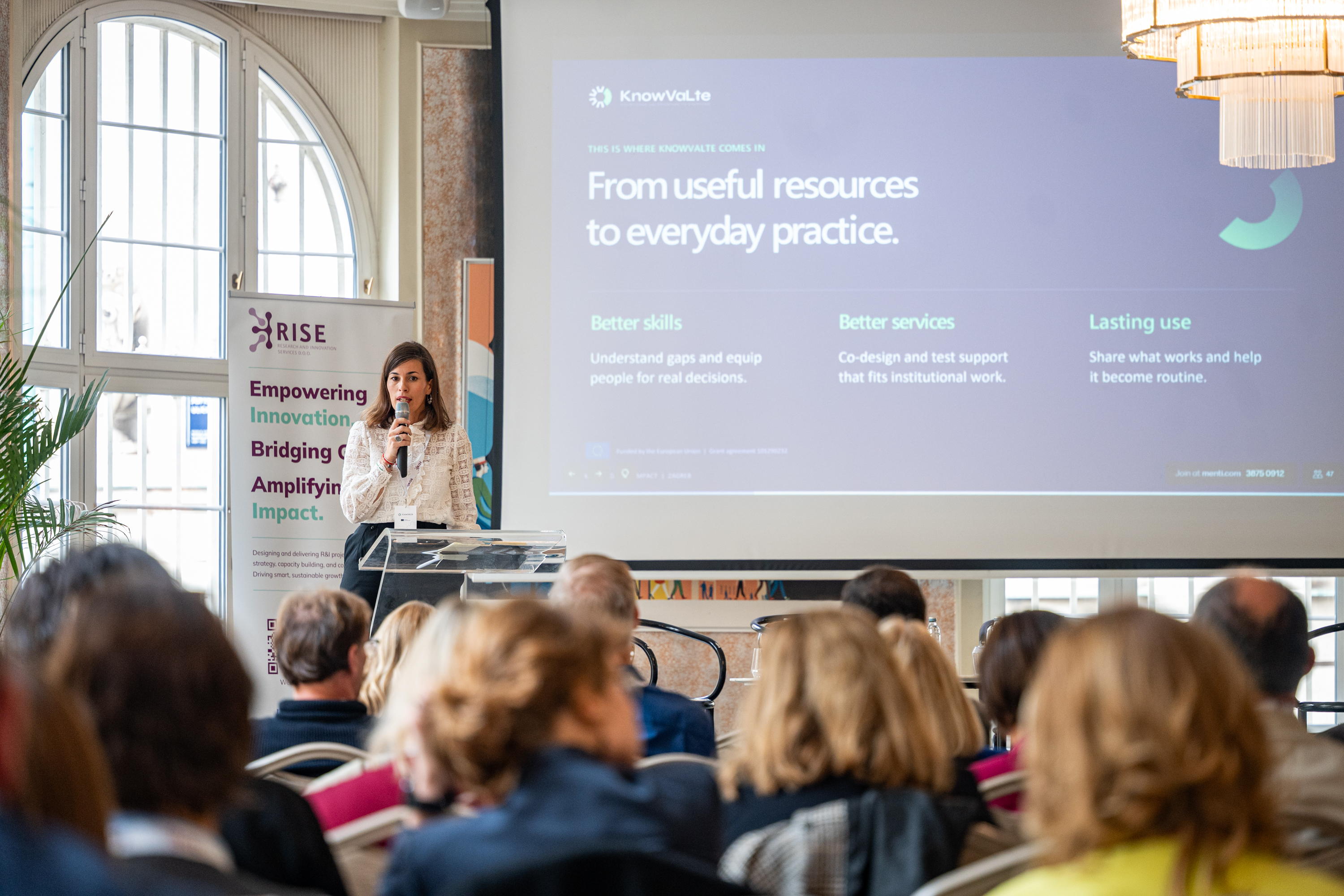
The session connecting the KnowVaLte and ALL4KV projects, led by Ivana Vuka and Gabrijela Radić from RISE, focused on the value of connecting initiatives, expertise and networks rather than allowing knowledge to remain within project boundaries. Together, these initiatives address a shared challenge: ensuring that the knowledge, tools and experience already available across Europe are easier to access and apply. Connecting people and organisations can help reduce fragmentation, encourage the exchange of good practices and make support for researchers more effective. The session was interactive, inviting participants to share their needs, perspectives and expectations, helping ensure that KnowVaLte and ALL4KV are shaped from the outset by real-world needs and the experiences of the people and organisations they aim to support.
The ecosystem behind successful innovation
The second panel, “Connecting the Ecosystem: Who Helps Research Turn into Impact?”, explored the people and services that support innovation after a promising result has emerged. Contributors discussed technology testing and innovation support, impact investment, institutional capacity and the professionalisation of knowledge transfer. The conversation made clear that researchers need access not only to funding, but also to partners, expertise, infrastructure and organisations that can help ideas move towards implementation. Hrvoje Meštrić, Director of the Directorate for Science and Technology at the Ministry of Science, Education and Youth of the Republic of Croatia highlighted the importance of creating the right conditions for research to deliver impact, Anja Barešić of the Ruđer Bošković Institute and EDIH AI4Health.Cro discussed support for innovators, including access to expertise and technology-related services. Domagoj Oreb of Feelsgood highlighted the role of impact investment, which considers both financial performance and the wider effects of an investment. Describing Feelsgood’s approach, Oreb explained that its impact fund has two main objectives: “One is financial return like any other VC, and the other one is impact.” His perspective highlighted how financial sustainability and positive societal outcomes can be considered together when supporting innovations and businesses. The panel also addressed the professional networks that help strengthen knowledge-transfer practice. Smiljka Vikić-Topić presented the European IP Helpdesk as a source of practical guidance on intellectual property, while Telmo Santos discussed ASTP’s role in bringing knowledge-transfer professionals together and supporting their ongoing development. Their contributions showed how accessible guidance and professional exchange can help organisations deal with knowledge-transfer questions more effectively.
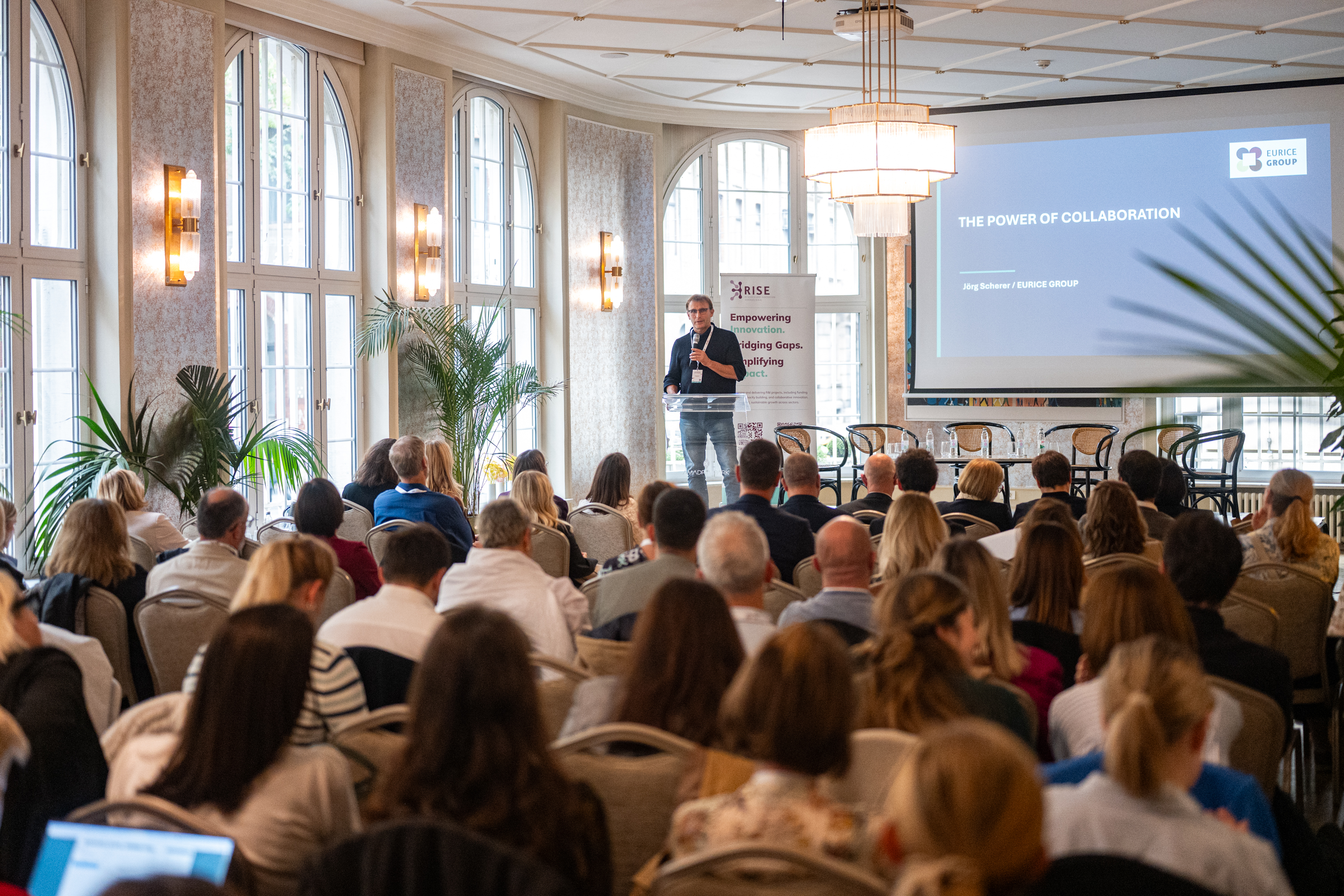
The event concluded with Jörg Scherer from Future8 exploring “The Power of Collaboration”. The message resonated throughout the day: innovation develops through relationships between research organisations, companies, intermediaries and communities. Connecting these actors helps ideas travel further and increases the chances that research can make a difference. Drawing on his experience of European cooperation, Scherer emphasised that innovation is rarely the result of one organisation working in isolation. “Innovation usually happens between these. It’s the result of collaborations,” he said.
Connecting people, projects and ecosystems
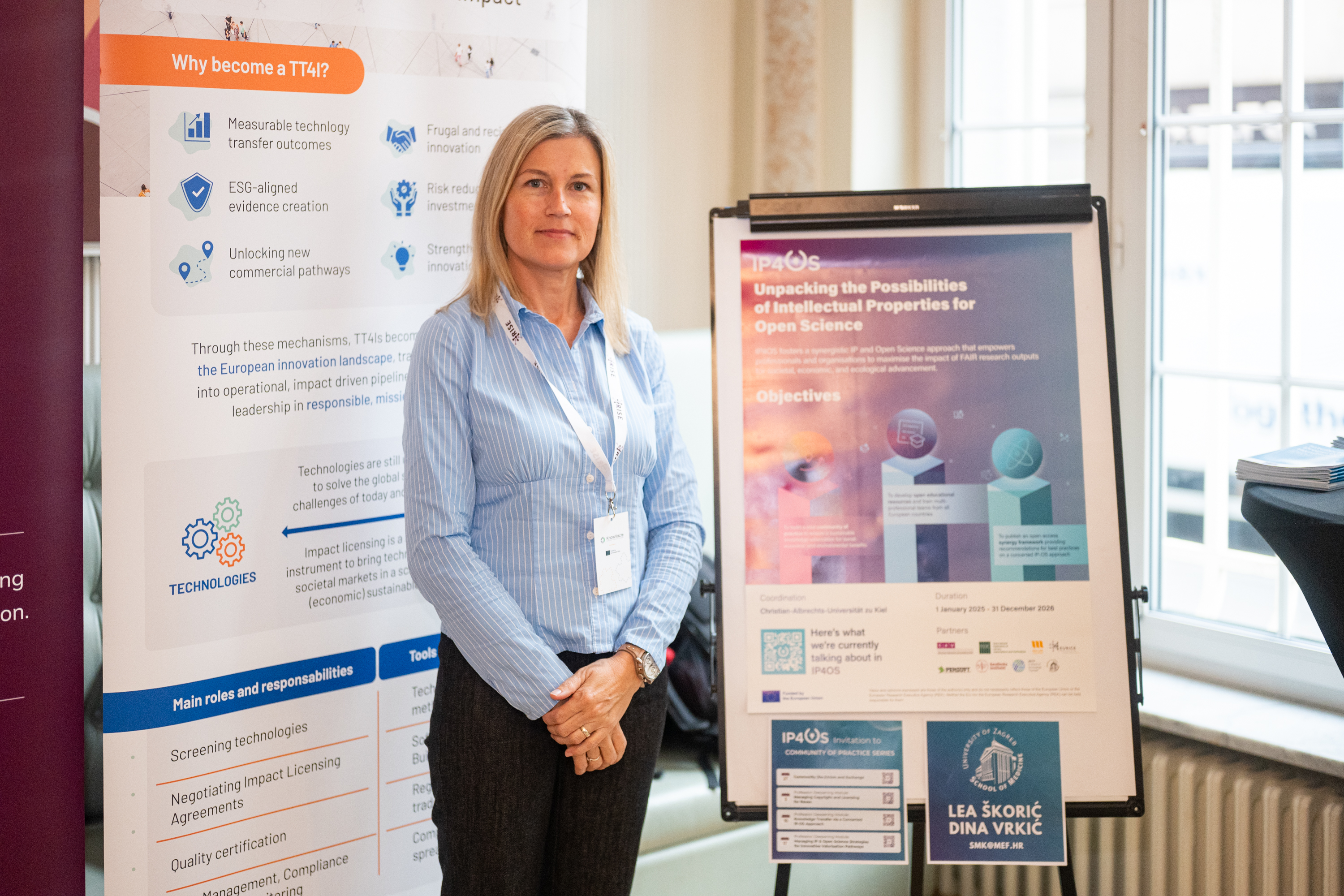
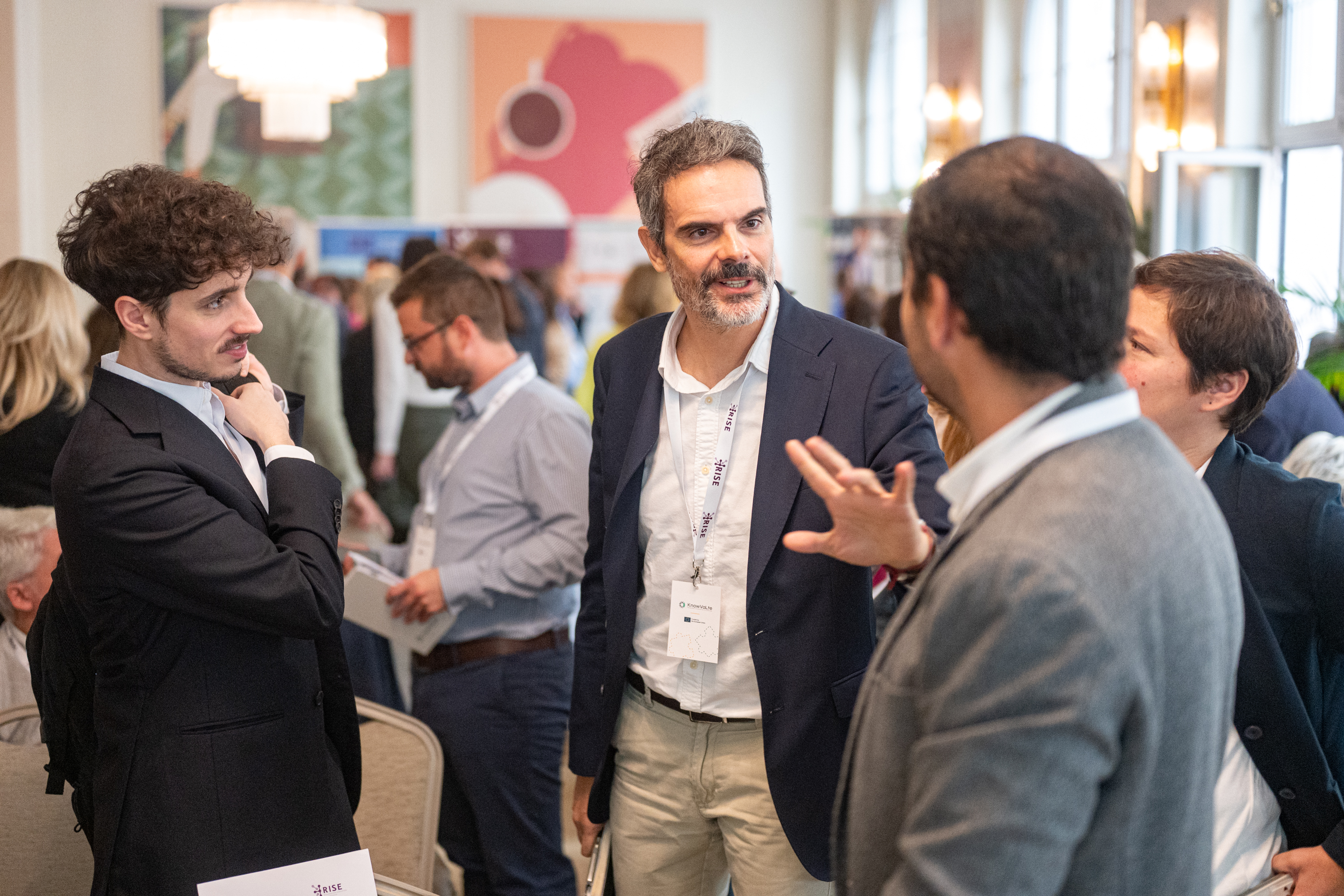
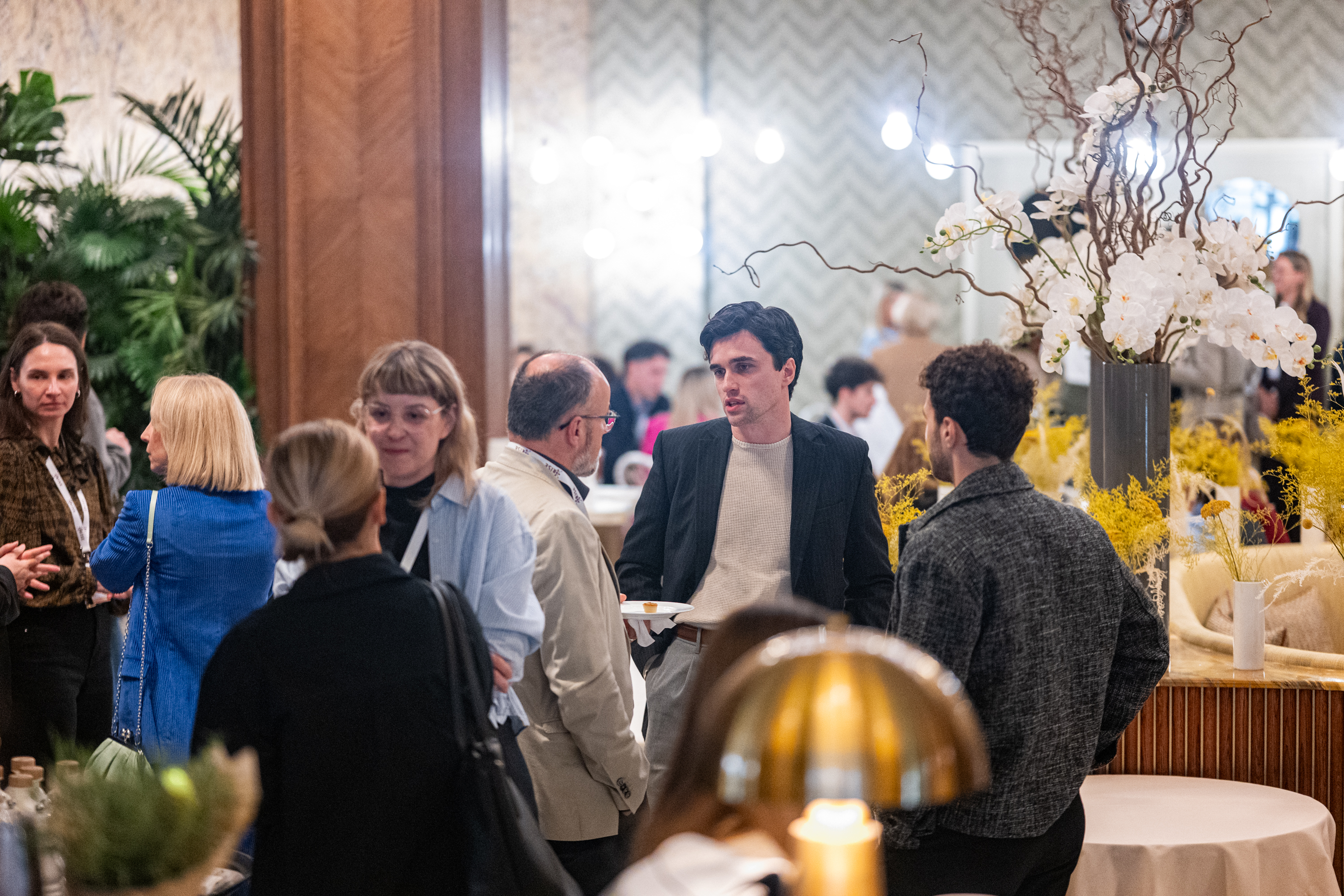
The event showed the value of linking projects, organisations and professionals working towards a shared goal: helping research and knowledge create value in practice. Research excellence is an important starting point, but lasting impact also depends on relationships between complementary activities, expertise and support systems. This was an important first step for the Croatian innovation ecosystem, creating space for local stakeholders to connect with European initiatives and explore common interests. The exchange also extended beyond the programme through the EXPO area, which featured additional initiatives including DIGIT, WINGS, IP4OS, IAM4RE.eu, the WiderAdvance Facility and the Impact Licensing Initiative (ILI), including TT4I. By placing these activities in the same space, the event made existing knowledge, tools and opportunities easier to discover and connect. It also opened new possibilities for cooperation within Croatia and across Europe, helping experience and good practices circulate beyond individual projects and events.