From Community Knowledge to Policy Impact: Reflections from the VOICE Final Event
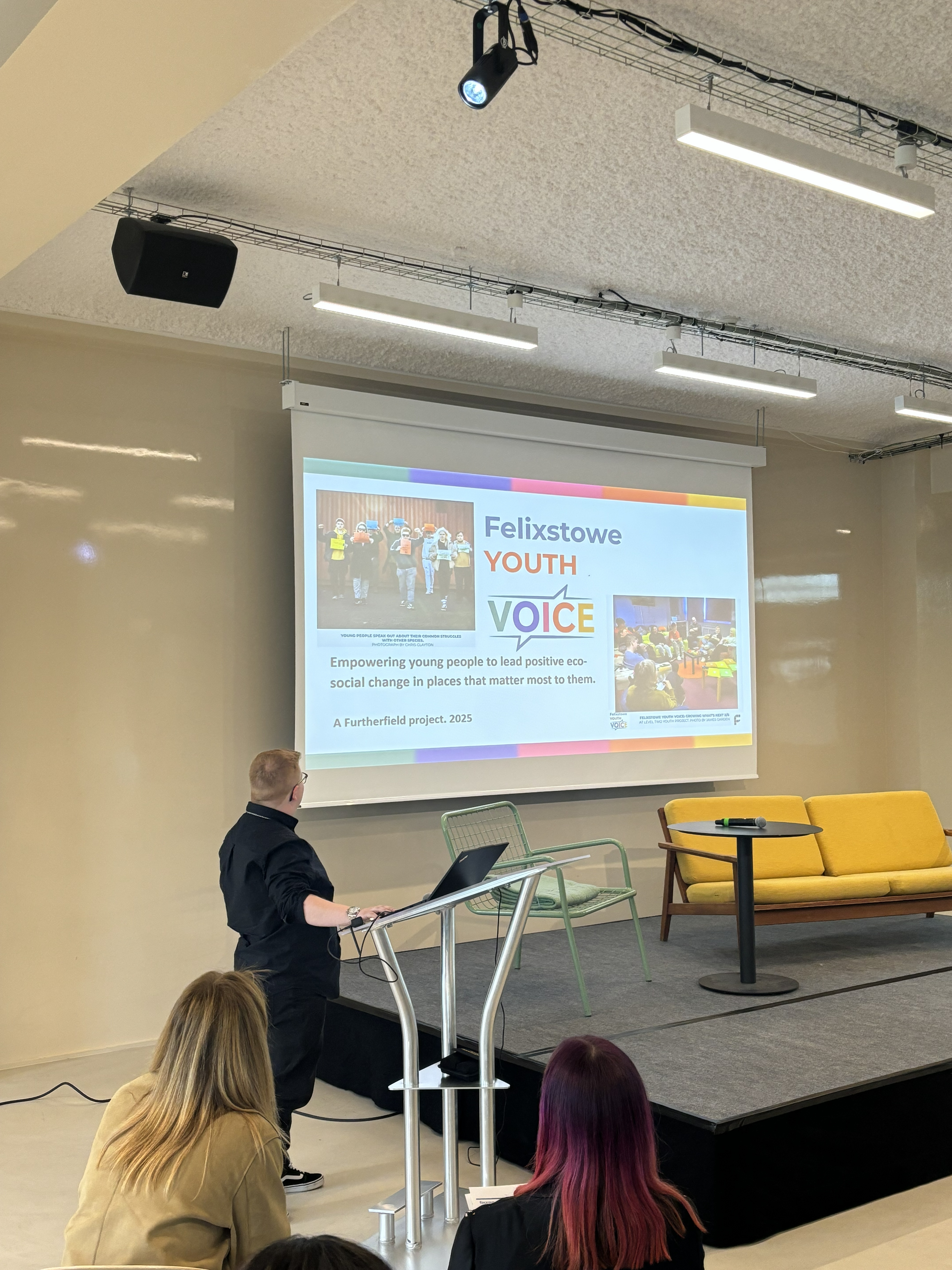
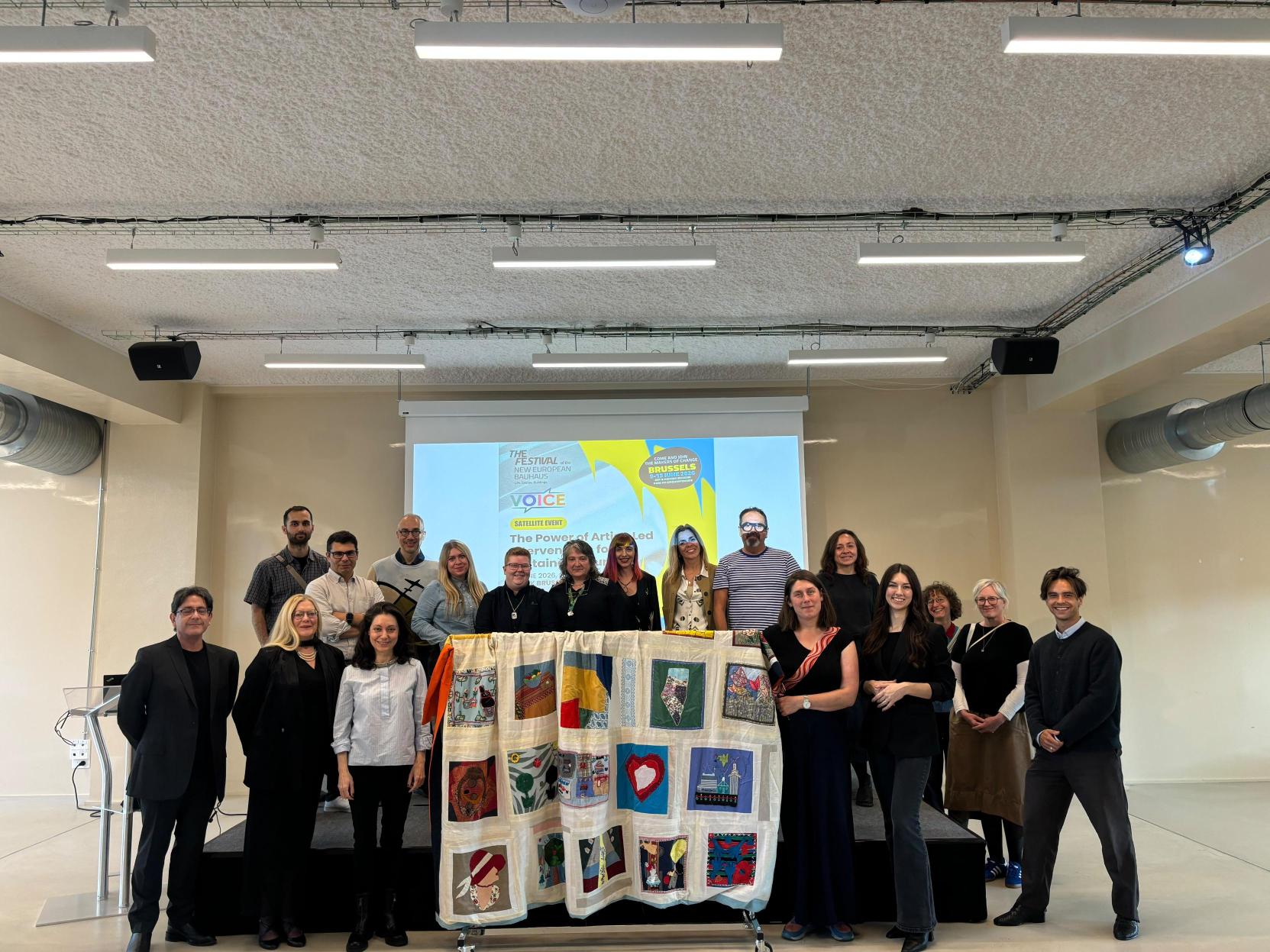
What happens when artists, communities, and EU policymakers sit down at the same table? This question was at the heart of VOICE: The Power of Artist-Led Interventions for a Sustainable Europe, the final event of the Horizon Europe project VOICE, held in Brussels on 10 June 2026. The event was organised as an official Satellite Event of the New European Bauhaus Festival 2026.
Representing RISE, Research and Impact Manager Sofija Jelčić and Communication Manager Valentina Guštin joined artists, researchers, policymakers, and community representatives from across Europe to reflect on a simple but important idea: some of the most valuable knowledge we have about environmental and societal challenges comes from people’s lived experiences.
Throughout the day, participants explored how artist-led initiatives are helping communities engage with issues such as biodiversity, water systems, air quality, and climate resilience. Rather than focusing solely on technological solutions, many of the projects presented during the event demonstrated the importance of relationships, participation, and local knowledge.
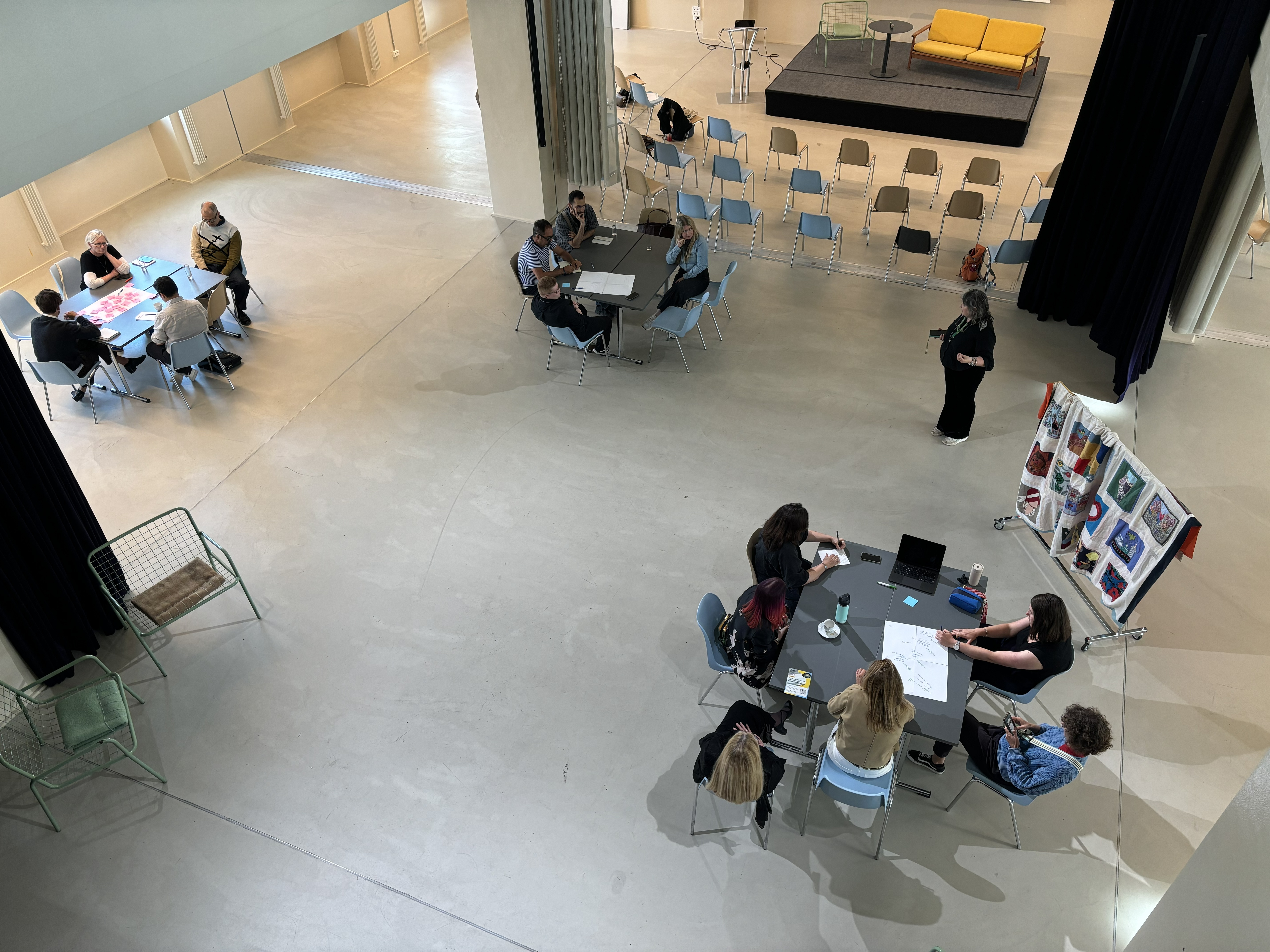
One of the most interesting discussions took place during the Artist-Led Policy Lab and subsequent Policy Roundtable. Participants explored how stories, community experiences, and creative practices can become recognised forms of evidence within policy processes.
For many artists working directly with communities, some of the most meaningful outcomes are often difficult to measure: trust built between people, new forms of collaboration, shared understanding, or increased community participation. These results do not always fit within the indicators used in research and innovation projects, despite being among the outcomes that matter most to the communities involved.
Reflecting on the event, Sofija noted:
“One of the most interesting discussions during the event was how stories, lived experiences, and local knowledge can inform policy. We often think about evidence as something produced through formal research, but the VOICE project demonstrates that communities and artists also generate important insights that can help shape more responsive and inclusive policies.”
The event also highlighted the importance of preserving this knowledge. During the presentation of the VOICE Knowledge Platform, participants discussed how valuable insights and methodologies are often lost once projects end. Developed in response to 142 knowledge gaps identified throughout the project, the platform aims to ensure that artist knowledge remains accessible to communities, researchers, policymakers, and future initiatives beyond VOICE.
For RISE, the discussion reflected a challenge that extends beyond the VOICE project: how to bring different forms of knowledge into decision-making and ensure that community perspectives are not lost along the way. the event reinforced the importance of creating connections between research, communities, policy, and practice. As Europe continues to navigate environmental, social, and technological transitions, the discussions in Brussels highlighted the need for innovative approaches that place people, participation, and collaboration at their centre.